As parents, we want to make the best choices for our growing families, especially when it comes to what we eat. The grocery aisle is packed with options, and labels like “organic” can sometimes feel confusing. You’re trying to pick wholesome snacks, but what does “USDA Organic” really signify for a product like yogurt?
It’s more than just a buzzword; it’s a commitment to specific standards that affect everything from the farm to your family’s fridge. Understanding these standards helps you feel confident in the choices you make for organic and clean eating.
At Oikos Organic, we believe in transparent, thoughtful nutrition. We know you’re looking for simple and wholesome ingredients, and we’re here to help clarify what USDA Organic means for your yogurt choices and why it matters for your family’s health.
What Does USDA Certified Organic Really Mean?
USDA Certified Organic is a rigorous certification process managed by the United States Department of Agriculture. It means a product has been produced using farming and processing methods that adhere to strict federal regulations, promoting ecological balance and conserving biodiversity. This includes specific standards for soil quality, animal raising practices, pest and weed control, and the use of additives.
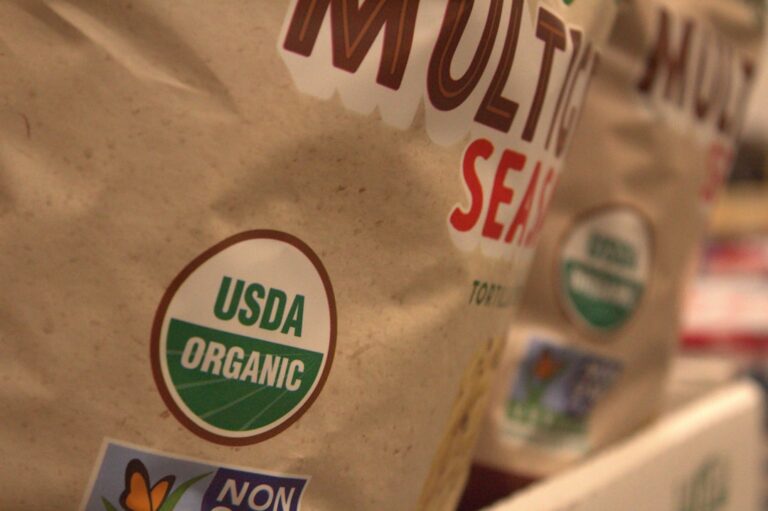
When you see the green and white USDA Organic seal on our yogurt, it’s a guarantee that our dairy sourcing, for instance, meets these stringent requirements. This covers how the cows are raised, what they eat, and how our yogurt is processed, ensuring a high level of quality and integrity from start to finish. According to the USDA National Organic Program, these standards address a wide range of issues, including pest control, fertilization, and animal welfare.
What 5 Types of Criteria Are Met Before Something Can Be Considered USDA Organic?
To earn USDA Organic certification, producers must meet specific criteria across five key areas, which are regularly inspected and verified. This comprehensive approach ensures that every step of production aligns with organic principles.
These criteria include:
- Soil Management: Organic farms focus on soil health through composting, cover crops, and natural fertilizers, avoiding synthetic pesticides and fertilizers for at least three years prior to harvest.
- Animal Husbandry: Livestock must be raised in conditions that accommodate their natural behaviors, given access to pasture, fed 100% organic feed, and never given antibiotics or growth hormones.
- Pest and Weed Control: Organic producers rely on natural methods like crop rotation, beneficial insects, and mulching, rather than synthetic pesticides, herbicides, or GMOs.
- No Prohibited Substances: Organic products must be produced without the use of most synthetic pesticides, fertilizers, antibiotics, growth hormones, genetically modified organisms (GMOs), or irradiation.
- Preservation of Ecological Balance: Organic farming emphasizes practices that protect natural resources, minimize pollution, and conserve biodiversity on and around the farm.
“The USDA Organic seal signifies that an item has been produced without the use of prohibited substances, synthetic fertilizers, or genetic engineering, reflecting a commitment to sustainable practices and ecological balance.”
Is USDA Organic Actually Better?
For many families, “better” means peace of mind. Choosing USDA Organic products, like our yogurts, means you’re opting for food produced without persistent pesticides or artificial growth hormones. It also means supporting farming practices that are generally more environmentally friendly, focusing on soil health and biodiversity.
While the nutritional content can vary based on many factors, the absence of certain artificial ingredients and the adherence to stricter environmental standards make organic a preferred choice for those seeking clean ingredients and responsible sourcing. We believe in providing guaranteed quality, ensuring our products contribute positively to your family’s thoughtful nutrition.
Does Organic Mean No Preservatives or Artificial Flavors?
Yes, absolutely. A core tenet of USDA Organic certification is the strict prohibition of artificial preservatives, colors, and flavors. This means when you enjoy an Oikos Organic yogurt, you’re tasting real fruit and dairy, not something concocted in a lab.
The organic standards mandate that any processing aids or ingredients used must also be organic, or on a specific allowed list of non-organic ingredients that have been evaluated and determined to be necessary and not harmful. This commitment to no artificial flavors or synthetic additives ensures you’re getting simple and wholesome ingredients, just as nature intended.
Can You Freeze Yogurt?
You can! Freezing yogurt is a great way to extend its shelf life and create fun, refreshing treats. However, the texture might change slightly once thawed; it can become a bit grainier or more liquid than its original creamy consistency. It’s perfectly safe to eat, though!
For best results, we recommend freezing yogurt in single-serving portions. You can use ice cube trays, small containers, or even make homemade yogurt pops. When you’re ready to enjoy it, simply thaw it in the refrigerator. We find that our Authentic Greek yogurt holds up quite well to freezing, offering a delicious, protein-packed snack even after thawing.
Is Greek Yogurt Good for You? What to Look For
Greek yogurt offers a powerhouse of nutrition, making it an excellent choice for growing families and children. Its unique straining process removes much of the whey, resulting in a thicker, creamier product with concentrated protein.
When selecting Greek yogurt for honest nutrition, look for:
- High Protein Content: Crucial for muscle development and sustained energy, keeping kids full and focused.
- Live and Active Cultures: These beneficial probiotics support digestive health and a balanced gut microbiome.
- Calcium: Essential for strong bones and teeth, especially important during childhood growth spurts.
- Low Sugar: Opt for plain varieties or those with real fruit and minimal added sugars.
- Certified Organic: Ensures Oikos Organic standards for clean ingredients and no artificial additives.
“Yogurt, particularly Greek yogurt, is an excellent source of protein and probiotics, which are beneficial for gut health and can contribute to a stronger immune system.”
Our commitment to nutritional science knowledge means we focus on creating products that deliver these benefits, helping families maintain optimal health with every spoonful.
Can Dogs Have Greek Yogurt? Is Yogurt Good for Dogs?
Many pet parents wonder if their furry friends can share in the goodness of yogurt. The answer is nuanced: yes, in moderation, but with important considerations. Plain, unsweetened Greek yogurt can be a source of calcium and protein for dogs. The live and active cultures might even aid their digestion. However, many dogs are lactose intolerant, meaning too much dairy can upset their stomachs.

Always opt for plain, unflavored, unsweetened yogurt, as artificial sweeteners like xylitol are highly toxic to dogs. Start with a very small amount to see how your dog reacts, and consult your veterinarian before making it a regular part of their diet. We focus on thoughtful nutrition for human families, but we understand the love for pets!
“While plain yogurt can be a safe treat for dogs in small quantities, it’s essential to avoid flavored or sweetened varieties, especially those containing xylitol. Some dogs may also experience digestive upset due to lactose intolerance.”
— ASPCA
Practical Tips for Choosing Organic Yogurt for Your Family
Selecting the right yogurt can feel overwhelming, but with a few simple guidelines, you’ll be a pro. We operate multiple product lines, so we understand the importance of making informed choices for different life stages.
Here are our tips for picking the best organic yogurt:
- Read the Label: Look for the USDA Organic seal and check the ingredient list. Shorter, simpler lists are often better.
- Prioritize Plain: Choose plain organic yogurt and add your own fresh fruit to control sugar levels, especially for little ones.
- Consider Fat Content: Whole milk yogurt provides beneficial fats for growing brains, while low-fat options can be suitable for older children and adults. We offer product differentiation by fat content to meet various family needs.
- Check for Live & Active Cultures: These are the good bacteria that support digestive health.
- Beware of Added Sugars: Many flavored yogurts are high in sugar. Look for brands that keep sugar content low or use natural sweeteners.
- Support Transparent Brands: Choose brands that are clear about their sourcing and production methods, like Oikos Organic, which is also Non-GMO Project Verified.
Understanding the USDA Organic label empowers you to make confident, nourishing choices for your family. It’s a commitment to quality, responsible sourcing, and truly clean ingredients. At Oikos Organic, we are proud to offer certified organic yogurts made with real fruit, designed to keep growing families healthy and well-nourished. We encourage you to seek out our products in stores, and if you don’t see us, feel free to request Oikos Organic at your local grocery store. Your family deserves honest nutrition, and we’re here to provide it.