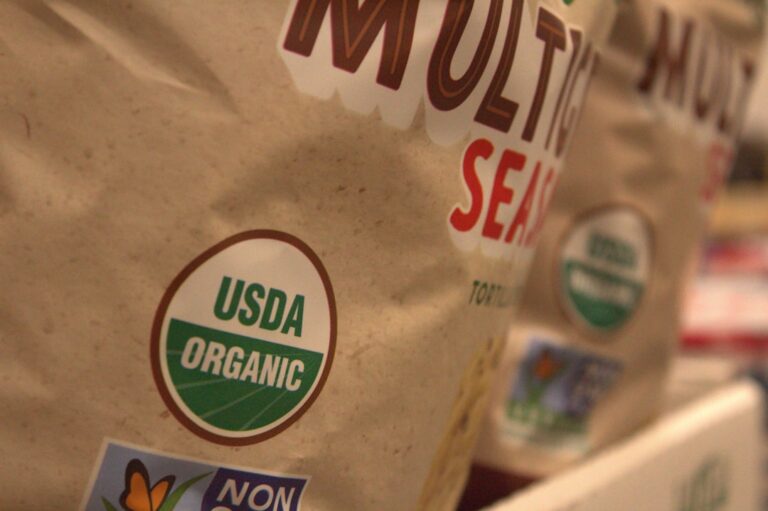
Yogurt lines almost every refrigerator shelf, but not all yogurt is the same. Organic, conventional, Greek, plain, whole milk, low fat — the options keep multiplying, and the labels don’t always make things clearer. Parents shopping for growing kids deserve straight answers: does the organic label actually change what’s in the cup, and does it matter for your family’s health?
The short answer is yes — and the differences go beyond the USDA sticker. From how the cows are raised to what ends up in the final product, the gap between organic and conventional yogurt touches pesticide exposure, antibiotic use, fatty acid profiles, and ingredient transparency. Understanding those differences helps you shop with confidence instead of guesswork.
At Oikos Organic, we make certified organic yogurt for families who want simple and wholesome ingredients with no artificial flavors and no shortcuts. If you’re trying to figure out what “organic” really means on a yogurt label, our What Is Organic page breaks down exactly what the certification requires. Keep reading for the nutritional science behind the choice.
What Does “Organic” Actually Mean in Yogurt?
USDA Certified Organic yogurt starts with milk from cows never treated with synthetic hormones or antibiotics, with meaningful access to pasture and feed grown without synthetic pesticides or fertilizers. That’s not just a feel-good label. Research published through the NIH found that organic dairy contains significantly higher concentrations of omega-3 fatty acids than conventional dairy, a difference driven largely by pasture grazing. Omega-3s support heart health, brain development, and inflammation control — all especially relevant for growing children.
Conventional yogurt isn’t necessarily unhealthy. But it may come from cows given recombinant bovine growth hormone or routine antibiotics, and the milk may carry residues from pesticide-treated feed. The FDA monitors these residues, but many families prefer to avoid them entirely. That’s a reasonable call, and it’s why certified organic matters beyond marketing.

Is Organic Yogurt Better for You Than Regular Yogurt?
Yes, organic yogurt generally offers a cleaner ingredient profile and higher omega-3 content than conventional yogurt, with no synthetic hormone or antibiotic exposure in the milk supply. For families eating yogurt daily, those differences accumulate over time and matter most during childhood development.
Beyond omega-3s, some studies suggest organic dairy has modestly higher levels of conjugated linoleic acid, a fatty acid linked to immune function and healthy body composition. Protein and calcium content are roughly comparable across organic and conventional, so you’re not trading nutritional density for the organic label. You’re adding to it.
Ingredient lists tell the rest of the story. Many conventional flavored yogurts include high-fructose corn syrup, artificial flavors, and thickeners like modified cornstarch. Certified organic yogurt uses real fruit and clean ingredients, nothing that requires a chemistry degree to decode. Non-GMO Project Verified certification is another layer of assurance that what you see on the label is what’s in the cup.
Greek Yogurt vs. Plain Yogurt Nutrition
Greek yogurt has roughly twice the protein of regular yogurt, less sugar, and fewer carbohydrates per serving because whey is strained out during production. A typical 5-6 oz serving of Greek yogurt delivers 12-17g of protein versus 5-9g in regular yogurt, with about half the sugar.
That protein difference has real practical consequences for energy and satiety. Higher-protein snacks support stable blood sugar and keep kids fuller longer than a regular yogurt cup, which means Greek yogurt can carry a child through school or an afternoon of activity more effectively. Plain whole-milk Greek yogurt contains around 17g of protein in a cup, which helps keep blood sugar levels stable and provides consistent energy during playtime or homework.
Regular yogurt, on the other hand, is thinner, milder, and naturally higher in calcium per gram since whey carries calcium with it. If calcium intake is the priority — say, for a toddler who doesn’t eat much dairy overall — regular whole-milk yogurt deserves a place at the table. Both have their role. The choice depends on the goal: sustained energy and protein, or calcium and gentle flavor. You can read more about our approach to the straining process and what makes authentic Greek yogurt different on our Greek Yogurt page.
Greek Yogurt vs. Regular Yogurt Probiotics
Both Greek and regular yogurt contain live probiotic cultures, but the straining process in Greek yogurt reduces the total volume of whey, which can concentrate some cultures while reducing others. The probiotic benefit depends more on the brand and production method than on Greek vs. regular.
Look for “live and active cultures” on the label and, where possible, specific strains like Lactobacillus acidophilus or Bifidobacterium. These are the strains with the most research behind them for digestive support. Heat-treated yogurt, often labeled “pasteurized after culturing,” kills the cultures — so checking the label matters every time.
“Probiotics may help restore the balance of friendly bacteria in your gut and may benefit some health conditions, particularly digestive issues like irritable bowel syndrome, inflammatory bowel disease, and infectious diarrhea.”
Probiotic yogurt made with organic milk gives you both benefits: clean-sourced dairy and guaranteed live cultures. In our experience working with families who rely on yogurt as a daily staple, the combination of clean ingredients and clearly labeled live cultures makes a meaningful difference in how confidently parents can serve it every single day.
What to Look for When Choosing Yogurt for Your Family
Not every yogurt on the shelf earns a place in a healthy routine. Here’s what we recommend checking before you buy:
- USDA Certified Organic seal — confirms no synthetic pesticides, hormones, or antibiotics in the milk supply
- Live and active cultures — look for named strains on the label, not just the phrase
- Real fruit, not “fruit flavoring” — the ingredient list shows the difference clearly
- No artificial flavors, colors, or sweeteners — these often appear in lower-cost conventional options
- Short ingredient list — if you can’t picture most of the ingredients, that’s a signal worth heeding
- Whole milk for young children — fat is necessary for brain development in children under two
- Non-GMO Project Verified — an added assurance layer beyond organic certification alone
Does Yogurt Affect A1C?
Yes, yogurt — especially Greek yogurt — can have a modest positive effect on A1C and blood sugar regulation. Its high protein and fat content slow glucose absorption, and its probiotic cultures may improve insulin sensitivity. These effects are more pronounced with plain yogurt than with flavored varieties carrying added sugar.
“Higher yogurt intake was associated with a lower risk of type 2 diabetes among generally healthy men and women, independent of other dietary and lifestyle factors.”
Flavored yogurts with high added sugar can work against this effect, especially at breakfast when glycemic load matters most. A yogurt sweetened with real fruit and organic cane sugar in modest amounts is meaningfully different from one with 20-plus grams of added sugar. That distinction is worth making every time you shop for organic groceries. Reading labels isn’t optional for families managing blood sugar or eating with long-term health in mind.
Is Greek Yogurt Always the Better Choice?
Not always. Greek yogurt’s higher protein and lower sugar profile makes it excellent for older children, teenagers, and adults. But for toddlers and very young children, regular whole-milk organic yogurt may be a better fit. It’s gentler in flavor, less tart, and its fat profile supports early development. Some children simply don’t like Greek yogurt’s thickness or tang, and forcing the issue creates mealtime battles that aren’t worth fighting.
People with dairy sensitivity should know that Greek yogurt is lower in lactose than regular yogurt, since much of the lactose leaves with the whey during straining. This often makes Greek yogurt tolerable for those with mild lactose sensitivity. For those with full lactose intolerance or a dairy allergy, non-dairy alternatives like coconut or oat-based yogurt with live cultures are worth exploring. No need to skip probiotics entirely.
Frozen yogurt, including popular chain options like Menchie’s Frozen Yogurt, is a separate category from refrigerated probiotic yogurt. Freezing typically kills live cultures, so frozen yogurt shouldn’t count as a probiotic food. It’s a treat. A fun one, yes. But not a substitute for a daily organic probiotic yogurt habit built around clean ingredients and thoughtful nutrition.

Six Practical Tips for Getting More From Your Yogurt
- Choose plain over flavored when you can, then add real fruit yourself — you control the sugar entirely.
- Buy whole milk for children under five; reduced fat is appropriate for older kids and adults eating a balanced diet.
- Use yogurt as a smoothie base instead of juice — protein replaces sugar and the results are far more filling.
- Shop the natural and organic grocery section at stores like Mom’s Organic Market for the widest range of certified organic options with live cultures.
- Check the “sell by” date and choose the freshest available — live culture counts decline with age, and fresher is always better.
- Pair yogurt with high-fiber foods like berries, flaxseed, or oats to maximize its digestive and satiety benefits throughout the day.
We also believe responsible sourcing extends beyond the cup itself. Our Profit for the Planet page outlines our sustainability commitments, because honest nutrition and environmental responsibility belong together.
Choosing organic yogurt is a daily decision that compounds over time. Clean ingredients, certified organic milk, live cultures, and real fruit aren’t extras — they’re the baseline your family deserves. Whether you reach for Greek or regular, plain or fruit-on-the-bottom, the best yogurt is the one made with simple and wholesome ingredients, served consistently. Read every label like it matters. Because it does. And when you find a brand that earns your trust, that trust is well placed.