As parents, we’re always looking for ways to support our children’s health, from what they eat to how they play. Digestive wellness is a big part of that, and it’s natural to wonder if probiotics, those beneficial bacteria, can really make a difference for our little ones. With so much information out there, understanding the true role of probiotics for kids can feel overwhelming.
You want to give your family the best, and that often means exploring natural ways to boost their immunity and keep their tummies happy. We get it. Balancing healthy choices with what kids will actually eat is a daily challenge.
At Oikos Organic, we believe in honest nutrition and providing products with simple and wholesome ingredients that support growing families and children. We focus on clean ingredients and responsible sourcing, which extends to understanding how nutrients like probiotics contribute to overall wellness. Let’s explore what probiotics are and how they can potentially benefit your child, especially when paired with a diet rich in certified organic foods like those found on our homepage.
What Are Probiotics and What Do They Do?
Probiotics are live microorganisms, often called “good” bacteria, that, when administered in adequate amounts, confer a health benefit on the host. These beneficial bacteria live in our gut, helping to maintain a healthy balance of microorganisms in the digestive system. They play a crucial role in nutrient absorption, immune function, and even mood regulation.
Our bodies are home to trillions of bacteria, a complex community known as the microbiome. A healthy balance in this community is essential for many bodily functions. When this balance is disrupted by factors like illness, antibiotics, or a poor diet, it can lead to digestive issues and other health problems. Probiotics help restore this balance by introducing more good bacteria into the system. The National Institutes of Health (NIH) emphasizes that probiotics can help maintain a healthy gut and may have positive effects on various health conditions, particularly digestive ones. You can learn more about their research on probiotics via the National Center for Complementary and Integrative Health.
How Do Probiotics Work in a Child’s Body?
When children consume probiotics, these live cultures travel through the digestive tract and take up residence, primarily in the large intestine. Once there, they work in several ways. They can help digest food, produce vitamins (like B vitamins and vitamin K), and even support the breakdown of compounds that might otherwise cause gas or discomfort. Essentially, they act as tiny helpers, optimizing the gut’s environment.
These good bacteria also interact directly with the immune system, much of which is located in the gut. By promoting a balanced gut microbiome, probiotics can help train and strengthen a child’s immune response, making them potentially more resilient to certain infections. We’ve seen in our own focus on healthy gut flora through real fruit and certified organic ingredients how a well-nourished gut can lead to happier, healthier kids.
Do Probiotics for Kids Actually Work?
Yes, research suggests probiotics for kids can be effective, especially for certain digestive issues. They’re often used to help manage diarrhea (especially antibiotic-associated diarrhea), ease constipation, and support overall gut health. The specific benefits depend on the probiotic strain, but many parents find them helpful in maintaining their child’s digestive balance.
While not a magic bullet, a growing body of evidence points to the positive effects of probiotics on children’s health. For instance, some strains have been shown to reduce the duration and severity of acute infectious diarrhea. Other studies highlight their potential in alleviating symptoms of irritable bowel syndrome (IBS) in children. We know that a healthy gut contributes to overall well-being, and probiotics are one piece of that complex puzzle. As certified organic dairy producers, we understand the importance of healthy microorganisms in food production, and that principle extends to the good bacteria that nourish our bodies.
Can Kids Take Probiotics Daily?
For most children, taking probiotics daily is generally safe and often recommended to maintain consistent benefits. Many common probiotic strains are naturally present in the human gut and have a long history of safe use. Always consult with your pediatrician before starting any new supplement regimen for your child, especially if they have underlying health conditions or are on other medications.
Think of it like regular exercise or a balanced diet – consistency often yields the best results. Since probiotics don’t permanently colonize the gut in most cases, regular intake helps maintain their presence and benefits. This is why incorporating probiotic-rich foods, like our plain Greek yogurt made with live active cultures, into a child’s daily routine can be a simple and thoughtful nutrition strategy. Our commitment to responsible sourcing and guaranteed quality ensures you’re giving your child a product that supports their daily wellness.
What Natural Probiotics Are Good for Kids?
Natural probiotics for kids are found in fermented foods, with yogurt being one of the most popular and kid-friendly options. Other sources include kefir, sauerkraut, kimchi (for older, adventurous eaters), and some pickled vegetables. Choosing foods with “live and active cultures” on the label ensures they contain beneficial bacteria.
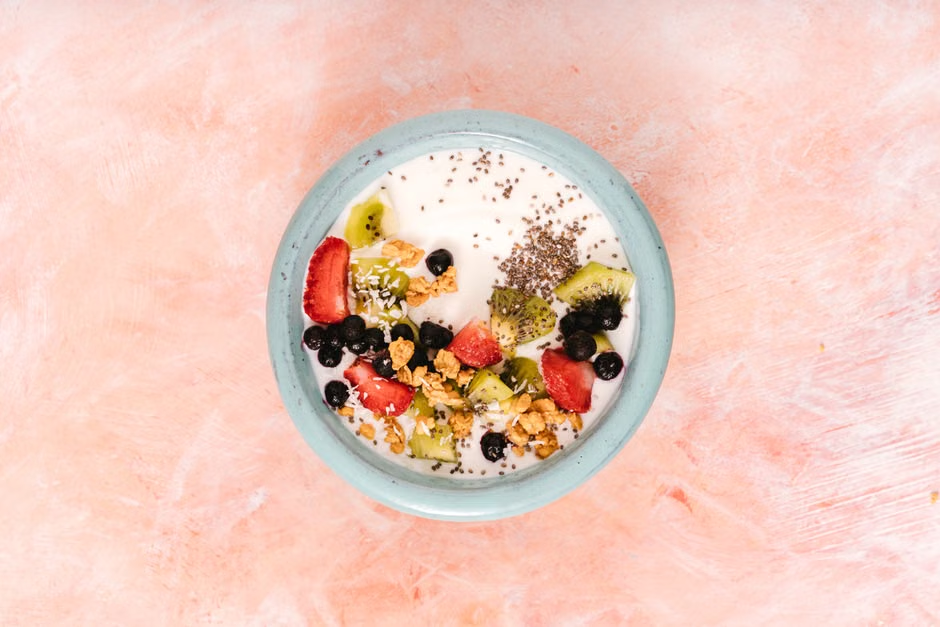
For many families, yogurt is the easiest way to introduce natural probiotics. Our Oikos Organic yogurts are made with organic milk and real fruit, and are designed to keep growing families healthy and well-nourished with simple and wholesome ingredients. We ensure our products contain beneficial live and active cultures like Lactobacillus acidophilus, Bifidobacterium lactis, and Lactobacillus bulgaricus, which are key for gut health. When you’re looking for quality, always check for that “live and active cultures” seal. Remember that choosing certified organic products ensures fewer unwanted additives and better ingredients.
“Incorporating fermented foods like yogurt with live active cultures into a child’s daily diet is an excellent, natural way to support their gut microbiome and overall digestive health.”
Best Probiotics for Kids with Constipation?
For kids struggling with constipation, specific probiotic strains like Bifidobacterium lactis and Lactobacillus reuteri have shown promise in clinical studies. These strains can help improve bowel regularity and stool consistency. Combining probiotics with increased fiber intake and adequate hydration is often the most effective approach.
When selecting a probiotic for constipation, it’s helpful to look for products that specifically mention these beneficial strains. Our plain whole-milk yogurt, for example, contains a good amount of protein and live active cultures that contribute to a balanced gut, which can indirectly support regular bowel movements. However, for persistent constipation, always speak with a healthcare professional to rule out any underlying issues and get personalized recommendations. Our commitment to thoughtful nutrition means we prioritize simple ingredients that support natural bodily functions without artificial additives.
What To Look For When Considering Probiotics for Your Child
When you’re trying to decide if probiotics are right for your child, or which ones to choose, here are some points to consider:
- Digestive Discomfort: Frequent gas, bloating, or irregular bowel movements (constipation or occasional diarrhea).
- After Antibiotics: Antibiotics can disrupt gut flora, and probiotics might help restore balance.
- Immune Support: If your child seems to pick up every sniffle, a healthy gut microbiome can play a role in immune function.
- Dietary Habits: A diet low in fiber or fermented foods might indicate a need for probiotic supplementation or food inclusion.
- Specific Strains: Look for products that list specific, well-researched strains, like Lactobacillus rhamnosus GG or Bifidobacterium lactis, which have documented benefits for children.
- Certified Organic: When choosing probiotic-rich foods like yogurt, opt for certified organic options to avoid pesticides and artificial ingredients.
Are There Alternatives or Exceptions?
While probiotics offer benefits, they’re not always the first or only answer. A balanced diet rich in fiber, fruits, and vegetables is fundamental. Prebiotic foods, which feed beneficial bacteria, like bananas, oats, and apples, are also incredibly important. Sometimes, lifestyle changes like increased water intake and more physical activity can resolve digestive issues without supplements. We believe in a holistic approach to health, emphasizing real food first.
For children with severe allergies, compromised immune systems, or certain medical conditions, probiotics might not be suitable or may require careful medical supervision. Always have a conversation with your pediatrician to ensure any new dietary addition is safe and appropriate for your child’s unique needs. We encourage parents to be informed consumers, reading labels and understanding what’s truly best for their families, just as we are transparent with our own clean ingredients and product lines.
“While probiotics can be beneficial for digestive health, they are not a substitute for a healthy diet rich in fruits, vegetables, and fiber. A balanced approach that includes whole foods should always be the priority.”
What to Expect and a Realistic Timeline
If you introduce probiotics to your child’s routine, don’t expect instant changes. The gut microbiome is complex and takes time to adjust. You might start noticing subtle improvements in digestion, such as more regular bowel movements or less gas, within a few days to a few weeks. Consistency is key.
For issues like chronic constipation or diarrhea, it could take longer to see significant results, often several weeks to a few months. If you don’t observe any improvement after a month or two, or if symptoms worsen, it’s definitely time to consult your pediatrician. Our experience with producing nutrient-rich foods tells us that true health improvements come from sustained, thoughtful nutrition and lifestyle choices, not quick fixes. We believe in building health gradually, from the ground up, with responsible sourcing and guaranteed quality ingredients.
Practical Tips for Incorporating Probiotics into Your Child’s Diet
- Start with Food: Offer certified organic yogurts (like Oikos Organic), kefir, or other fermented foods regularly. These are often the easiest and most enjoyable ways for kids to get probiotics.
- Choose Unsweetened Options: When possible, opt for plain yogurt and add your own real fruit to control sugar content.
- Read Labels Carefully: Look for “live and active cultures” and check the ingredient list for simple, wholesome items.
- Be Consistent: Regular intake is more effective than sporadic use. Make it part of a daily snack or meal.
- Pair with Prebiotics: Include foods rich in prebiotics, like bananas, oats, and apples, to help feed the good bacteria.
- Consult a Professional: If you’re considering a probiotic supplement, always talk to your pediatrician first.
Supporting your child’s digestive health is a journey, and probiotics can be a helpful companion. By focusing on certified organic products with clean ingredients, like our real fruit yogurts, you’re providing a foundation of thoughtful nutrition. We’re proud to offer options that contribute to the well-being of growing families and children. Explore our full range of products to find delicious ways to integrate these beneficial cultures into your family’s diet, and learn more about our commitment to the planet through initiatives like Profit For The Planet.