As a parent, you’re always thinking about what’s best for your little ones. One question that often comes up is about nutrition, especially protein. We want our children to grow strong and healthy, and protein is a huge part of that. It’s not always easy to know if they’re getting enough, or even if you might be giving them too much.
Toddlers are busy. They’re exploring, learning, and developing at an incredible pace, and their bodies need the right fuel to keep up. Understanding their protein requirements means giving them the building blocks for muscles, bones, and even their immune system.
At Oikos Organic, we believe in thoughtful nutrition, with certified organic, real fruit, and clean ingredients to support growing families. We know you’re looking for simple and wholesome options that contribute to honest nutrition without unnecessary sugar, which is why we’ve already discussed how much sugar in kids’ yogurt is safe. Let’s dive into how much protein your little one truly needs.
How Much Protein Does a 2 Year Old Need Daily?
A 2-year-old generally needs about 13 grams of protein per day. This amount supports their rapid growth and development, helping build muscles, tissues, and enzymes essential for a healthy body. It’s important to distribute this protein throughout the day’s meals and snacks.
Toddlers, typically between ages 1 and 3, are in a critical phase of physical and cognitive development. Protein isn’t just about building big muscles; it’s vital for nearly every bodily function. From producing hormones and enzymes to transporting oxygen in the blood, protein does a lot of heavy lifting. When we talk about growing families and children, ensuring adequate protein means supporting their energy levels, immune function, and overall healthy development.
The recommended dietary allowance (RDA) for protein for toddlers aged 1-3 years is 1.1 grams per kilogram of body weight, or about 13 grams total per day, according to the National Academies of Sciences, Engineering, and Medicine. We’ve seen in our own experience how incorporating protein-rich, simple and wholesome ingredients can make a real difference in a child’s energy and satiety.
“Protein is a macronutrient that is essential for every cell in the body, especially for rapidly growing children. It’s crucial for building, maintaining, and repairing body tissues, as well as making enzymes and hormones.”
What Do 13 Grams of Protein Look Like for a Toddler?
Visualizing 13 grams of protein for a toddler can make meal planning much easier. It’s often less than you might think and can be spread across their meals and snacks. Think of small, frequent servings of protein-rich foods rather than one large portion.
Here are a few examples of foods and their approximate protein content to help you picture it:
- 1/2 cup Oikos Organic Greek yogurt: 8-10 grams
- 1 ounce chicken or fish (about the size of a matchbox): 7 grams
- 1 large egg: 6 grams
- 1/4 cup cooked lentils or beans: 4-5 grams
- 1 tablespoon peanut butter: 4 grams
- 1/2 cup milk: 4 grams
- 1/4 cup cottage cheese: 6 grams
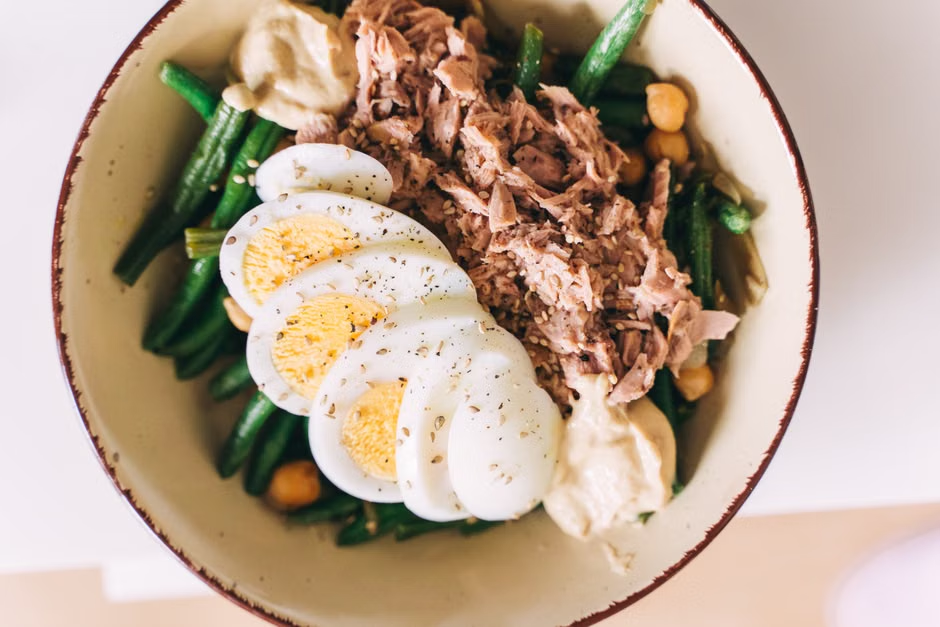
As you can see, a toddler could easily meet their 13-gram target with breakfast (like Oikos Organic Greek yogurt) and a small portion of chicken at lunch, plus a few other protein sources throughout the day. We focus on guaranteeing quality and offering honest nutrition, so parents can trust our certified organic dairy products to be a great source of protein for their little ones.
Is 20g of Protein Too Much for Kids?
While 20 grams of protein might be suitable for an older child or active adult, it’s likely more than a typical toddler (ages 1-3) needs in a single day. Consistently providing excessive protein can put a strain on their developing kidneys. Focus on meeting, not exceeding, their daily requirements through balanced meals.
It’s natural to want the best for your child, but more isn’t always better when it comes to nutrition. While short-term overconsumption might not cause immediate harm, regularly exceeding protein recommendations can have potential downsides. The goal is thoughtful nutrition, not protein loading.
Our expertise in nutritional science knowledge means we understand the importance of balance. Board-certified providers often recommend a varied diet that naturally provides protein without relying heavily on supplements or overly large portions of protein-specific foods for young children. This approach helps ensure they get a full spectrum of nutrients.
“While protein is vital, toddlers generally don’t need large amounts of it. Most young children consume enough protein through a balanced diet, so protein supplements are usually unnecessary and could potentially lead to imbalanced nutrient intake.”
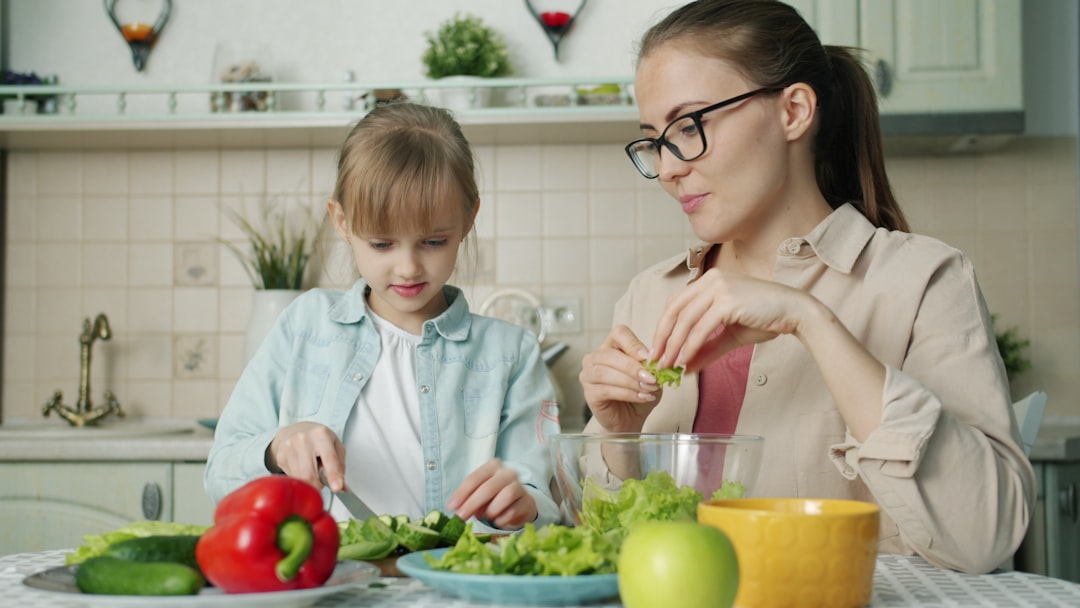
What To Look For in Toddler Protein Sources
Choosing the right protein sources for your toddler involves looking for clean ingredients and avoiding unnecessary additives. You want foods that are nutrient-dense and easy for little ones to digest.
When selecting protein sources, prioritize whole, unprocessed foods. This means focusing on options like:
- **Dairy:** Certified organic yogurt (like Oikos Organic), milk, and cheese. These also provide crucial calcium for growing kids.
- **Meats & Poultry:** Lean chicken, turkey, and fish, prepared simply without heavy seasoning.
- **Eggs:** A versatile and complete protein source.
- **Legumes:** Beans, lentils, and chickpeas (mashed or pureed for younger toddlers).
- **Nuts & Seeds:** Nut butters (smooth, to prevent choking hazards) or ground seeds sprinkled on other foods.
We’re proud that our certified organic yogurt products are made with real fruit and no artificial flavors, making them a delicious and easy way to add protein to a toddler’s diet. Our expertise in USDA Certified Organic Dairy sourcing means you can trust the quality of what you’re feeding your family.
Practical Tips for Incorporating Protein into a Toddler’s Diet
Getting enough protein into a picky eater can be a challenge. Here are some simple, practical tips to ensure your toddler gets the protein they need without a fuss:
- **Sneak it in:** Add a spoonful of plain Oikos Organic Greek yogurt to fruit smoothies or oatmeal. You won’t taste it, but the protein boost is there.
- **Make it fun:** Cut cheese into fun shapes or offer small pieces of chicken alongside their favorite dipping sauce.
- **Pair it up:** Always offer a protein source with carbohydrates. For example, apple slices with peanut butter or whole-wheat crackers with hummus.
- **Start small:** Toddlers have tiny tummies. Offer small portions of protein-rich foods frequently throughout the day, rather than trying to get them to eat a large amount at once.
- **Choose wisely:** Opt for whole, unprocessed protein sources. Think simple and wholesome ingredients, like those in our products. Remember, a diet rich in diverse foods also supports a healthy gut microbiome, which is why we often get questions like do probiotics for kids really help?
Remember, consistency is key, and modeling healthy eating habits yourself can go a long way. Offering a variety of protein sources also ensures they’re getting a broad spectrum of amino acids and other important nutrients.
Ensuring your toddler gets adequate protein doesn’t have to be complicated. By focusing on certified organic, clean ingredients and offering a variety of simple and wholesome protein-rich foods throughout the day, you can confidently support their incredible growth and development. From our family to yours, we’re dedicated to providing honest nutrition that helps every child thrive. Explore our range of organic yogurts to find perfect, protein-packed snacks for your little ones today.