Breakfast or snack, the smoothie bowl question comes up in busy family kitchens every single week. You’ve got frozen fruit in the freezer, a container of yogurt in the fridge, and kids who need something that actually holds them through soccer practice or a morning of reading. A smoothie bowl can do that job. But only if you build it right.
The difference between a smoothie bowl that fuels a growing child and one that sends blood sugar spiking usually comes down to three things: the yogurt base, the toppings, and how much added sugar sneaks in. Greek yogurt, in particular, changes the nutritional profile dramatically. Thick, protein-rich, and packed with live cultures, it turns a blended bowl into something closer to a complete meal than a dessert.
At Oikos Organic, we make certified organic Greek yogurt with simple and wholesome ingredients because we believe what goes into a family’s food matters as much as what stays out of it. That same principle applies to how you build a smoothie bowl. Start with honest nutrition, and the rest follows naturally.
Is it good to have a smoothie bowl for breakfast?
Yes, a smoothie bowl is a good breakfast when it’s built on a protein-rich base like Greek yogurt, includes real fruit for fiber, and keeps added sugars low. This combination provides sustained energy, supports digestion, and delivers key nutrients like calcium and protein that growing children and active adults need to start the day.
The key word is “built.” A smoothie bowl loaded with fruit juice, sweetened granola, and flavored syrups can easily push 50 grams of sugar before 9 a.m. Swap the juice for plain whole-milk Greek yogurt as your base and you’re looking at 15 to 20 grams of protein in a single bowl. That protein slows glucose absorption, which keeps energy levels steady through morning homework or the school commute. Harvard’s T.H. Chan School of Public Health notes that protein-rich breakfasts are associated with better appetite control and reduced calorie intake later in the day, making them especially valuable for growing kids and active parents alike.
Are yogurt bowls good for breakfast?
Yogurt bowls are excellent breakfasts because they combine protein, calcium, probiotics, and real-fruit carbohydrates in one bowl. Greek yogurt adds extra protein compared to regular yogurt due to its straining process, while live cultures support gut health. Topped with fresh or frozen fruit and a small amount of seeds or nuts, a yogurt bowl covers most of a child’s morning nutritional needs.
Calcium is one big reason yogurt belongs on the breakfast table. A single cup of plain whole-milk yogurt delivers roughly 30 percent of the daily recommended calcium intake for children, supporting bone density during the years it matters most. Plain whole-milk yogurt also contains around 8 grams of protein per cup, which makes blood sugar levels stable to provide consistent energy during play time or homework. And probiotics, specifically Lactobacillus and Bifidobacterium strains found in live-culture yogurts, support the gut microbiome that researchers are increasingly linking to immune health and mood regulation.
“Probiotics found in fermented foods like yogurt may help maintain or restore gut microbiota balance, which plays a role in overall immune function and digestive health.”
What makes a Greek yogurt smoothie bowl different?
Authentic Greek yogurt owes its extra creaminess to a centuries-old straining process that removes the whey from regular yogurt. That straining concentrates protein and reduces lactose, making Greek yogurt both more filling and easier to digest for people who are mildly lactose sensitive. The result is a thick, spoonable base that holds toppings without going soggy, something a thinner drinkable yogurt or dairy-free alternative can’t quite replicate.
For a smoothie bowl, this thickness is functional, not just textural. It means you can blend in frozen berries or spinach and still get a bowl you eat with a spoon rather than drink through a straw. The protein content, typically 15 to 20 grams per cup of plain Greek yogurt, also means your bowl qualifies as a high protein breakfast without any protein powder or supplements. Our USDA Certified Organic Greek yogurt is made with organic milk and real fruit, and is designed to keep growing families healthy and well nourished. Clean ingredients and responsible sourcing are the foundation, so there are no artificial flavors or thickeners hiding in the base. You can browse our full product line at the Oikos Organic homepage to find the style that fits your family’s routine best.
Can you make a yogurt smoothie bowl without banana?
Yes, and many families prefer it. Banana adds natural sweetness and a creamy texture, but it’s not required. Frozen mango, frozen peaches, or a handful of frozen cauliflower rice all thicken a yogurt smoothie bowl without banana’s strong flavor. Mango and pineapple give a tropical angle; frozen peaches with a small drizzle of honey read more like a summer dessert.
Leaving out banana also lowers the natural sugar content slightly, which matters if you’re building bowls for younger children or anyone watching carbohydrate intake. The yogurt base provides enough natural sweetness on its own when paired with ripe fruit, so you rarely need to add anything extra. Toppings like sliced strawberries, blueberries, hemp seeds, or a light sprinkle of granola add flavor and crunch without leaning on sweeteners at all.
What to put in a smoothie bowl: building blocks that actually work
- Base: Plain or lightly flavored whole-milk Greek yogurt, 3/4 to 1 cup per serving
- Frozen fruit: Berries, mango chunks, peaches, or cherries for thickness and natural sweetness
- Liquid (use sparingly): A splash of organic whole milk or unsweetened coconut milk to help blending, no more than 2 tablespoons
- Crunch topping: Low-sugar granola, hemp seeds, chia seeds, or sliced almonds
- Fresh fruit: Sliced strawberries, kiwi rounds, or fresh blueberries laid on top after blending
- Finish: A light drizzle of honey, nut butter, or a few dark chocolate chips for kids who need a little convincing
When a smoothie bowl might not be the right call
Smoothie bowls are not ideal for every situation. If a child is dealing with active acid reflux or GERD, a cold blended bowl can trigger symptoms in some people, especially when it includes citrus or high-acid fruits like strawberries. Plain Greek yogurt on its own, paired with low-acid fruit like banana or melon, is a gentler option during flare-ups. A pediatrician’s guidance matters before making significant dietary changes for a child with a diagnosed condition.
People managing type 2 diabetes should also think carefully about toppings. The yogurt base itself, especially plain Greek yogurt, is relatively low in carbohydrates and glycemic load. But granola, honey, and fruit can push the carbohydrate total high quickly. A bowl built with plain Greek yogurt, a handful of berries, and seeds rather than granola can still work well within a balanced approach to blood sugar management. Individual needs vary, and a registered dietitian’s input matters here more than a blog post.
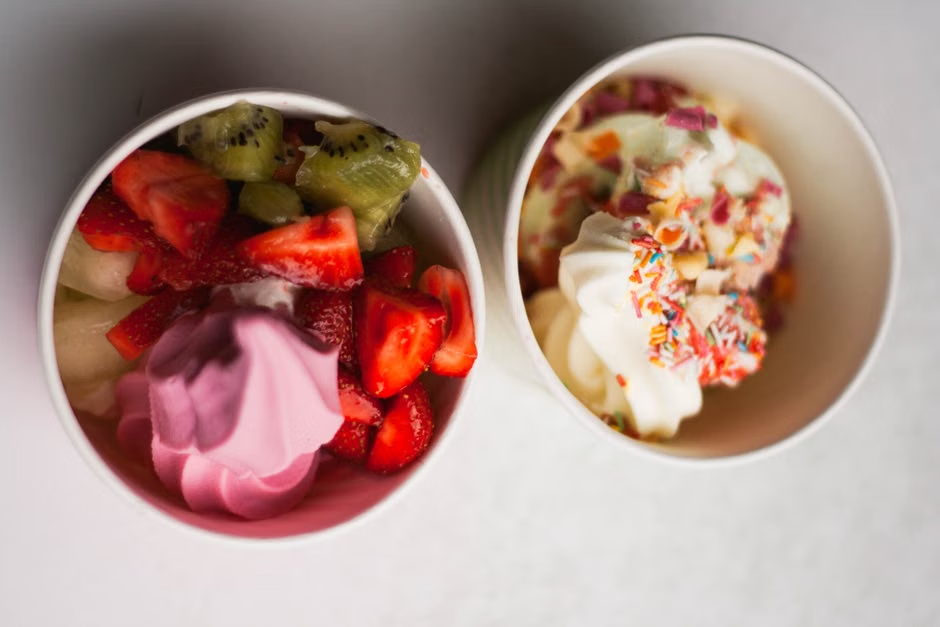
On the fun end of the spectrum, families sometimes ask how a homemade yogurt smoothie bowl compares to a trip to a place like Menchie’s frozen yogurt. Frozen yogurt from a self-serve shop is a treat, and worth enjoying as one. But the probiotic content, protein levels, and ingredient control of a bowl made with certified organic Greek yogurt at home are genuinely different things. Both can have a place in family life. They’re not interchangeable nutritionally, and knowing that distinction helps you make intentional choices rather than accidental ones.
“Whole-milk dairy products, including plain yogurt, are associated with higher dietary quality and may support healthy weight maintenance in children when consumed as part of a balanced diet.”
— National Institutes of Health, National Library of Medicine
Practical tips for making smoothie bowls a family habit
Families who build a sustainable smoothie bowl routine tend to share a few consistent habits. These aren’t complicated. They’re just the small choices that keep a good idea from stalling out by week two.
- Freeze your fruit in portions. Zip-lock bags with one serving of mixed berries mean bowls come together in under three minutes on a school morning.
- Keep liquid minimal. Too much liquid turns a bowl into a smoothie. Start with almost none and add a tablespoon at a time until the blender moves freely.
- Let kids build their own toppings. Autonomy at the table reduces picky-eating friction and makes the bowl feel chosen rather than imposed.
- Prep the base the night before. Blended yogurt and frozen fruit keeps well in a sealed container overnight, and the texture often improves by morning.
- Rotate flavors weekly. Strawberry one week, tropical mango the next, mixed berry after that. Variety prevents the “again?” reaction from kids who eat the same breakfast every single day.
- Read your yogurt label. Real fruit should appear in the first few ingredients. Skip options where “fruit preparation” or corn syrup comes before actual fruit on the list.
What to expect when you start eating yogurt smoothie bowls regularly
Most families notice the biggest change within the first two weeks of replacing a sugary cereal or pastry breakfast with a yogurt-based smoothie bowl. Energy levels through mid-morning tend to be more stable. Kids who previously asked for a snack an hour after breakfast often hold longer. These changes aren’t dramatic or overnight, but they’re consistent, and they compound over weeks and months of thoughtful nutrition.
The gut health benefits of probiotic yogurt tend to show up more gradually, often over four to six weeks of regular consumption. Digestive regularity, less bloating, and a general sense that the stomach is “settled” are what most people notice first, according to clinical research on live-culture dairy. The quality of the yogurt you choose matters here, because artificial additives and preservatives can undercut the benefit of the live cultures in the same product. Guaranteed quality starts with what’s not in the container as much as what is.
Whether you build a smoothie bowl for breakfast before school or as an afternoon snack after sports, the formula stays the same. Start with certified organic Greek yogurt as your base, add real frozen fruit for thickness and natural sweetness, keep toppings simple and wholesome, and let the nutrition do the work. You don’t need a specialty ingredient or a complicated recipe. You need good yogurt, a blender, and five minutes. That habit, built consistently, pays off every time a kid powers through a long afternoon without a sugar crash, every morning a parent arrives at work with a clear head, and every week a family feels a little more grounded in what they’re putting on the table.