
Yogurt is an intelligent, all-purpose snack that provides growing children with protein, probiotics, and calcium and prevents empty-calorie cravings. In busy schedules, it provides 20-30% of daily dairy requirements in a single dosage, which supplies bones and immunity without spikes in sugar levels. Select well to win every day– here is the way to pick and to eat yogurt that children like and bodies grow on.
Nutritional Powerhouse Breakdown
Plain whole-milk yogurt contains 8g of protein in a cup, which makes the blood sugar levels stable to provide consistent energy during play time or homework. Live cultures improve stomach health, reducing stomach upsets 25; calcium hardens teeth in the face of sugar temptations. Use full-fat varieties- the children below the age of 12 years absorb better fat soluble vitamins, which prevent obesity. Forget low-fat fads; whole dairy has been found to be associated with healthier weights in the long run.
Decoding Labels for Clean Choices
First scan ingredients Live active cultures (Lactobacillus, Bifidobacterium) are actual probiotics. Less than 10g sugar per serving- target plain, naturally 4-7g of lactose. Avoid fruit on the bottom traps that contain 15-20g of added sugar, it is not a snack, it is a dessert. Such certifications as USDA Organic guarantee the absence of hormones and antibiotics; the non-GMO verified avoids concealed fillers. World-neutral tip: EU-style Greek or skyr has creamier texture, twice the amount of protein.
Flavor It Right Without the Junk
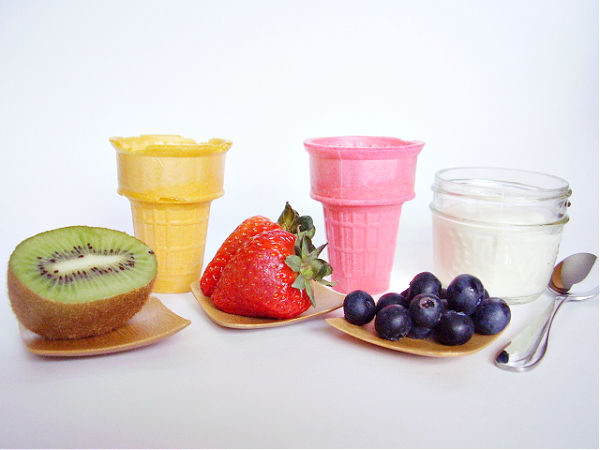
Plain yogurt is not that tasty to children? Homemade magic: Mash berries with a fork to use natural sweetness- strawberries contain vitamin C, no sugar is added. Swirl honey (1 tsp max under-5s) or cinnamon to warm the soul. Fixing Chocolate: Cocoa powder + Banana slices. Set in pops on hot days -yogurt base will cut ice cream calories by half. Engage children into mixing; the ownership triples consumption.
Portion and Pairing Strategies
Kid-sized: 4-6oz cups eliminate excessive. Combine with crunch, air-popped popcorn, apple slices, or nuts (age 4-or-over) to make balanced mini-meals that balance fiber and healthy fats. Parfaits of breakfast are composed of yogurt, low-sugar granola, and seeds. School-safe: Tube yogurts such as Chobani pouches are easy to carry around, and no spoon is required. Weekly preparation: Set aside in reusable containers on Sunday evenings.
Age-Specific Smart Picks
Toddlers (1-3): Full-fat plain, smooth textures; combine with pureed peas to make a disguised veggies. School-age (4-8): Greek: protein punch after sports; add chia seeds, which contain omega-3s. Tweens (9-12): Add a little flavor, serve with vegetables, such as carrot sticks–learn to balance. Dairy-free? Live culture coconut or almond yogurts are also a good option, and they are fortified with calcium.
Storage and Freshness Hacks
Fridge at 40 o C max; consume in 7-10 days after opening. Freeze smoothie ice cube trays. Check dates – probiotics deteriorate after expiry. Purchase large containers; divide to save money.
Overcoming Picky Eater Barriers
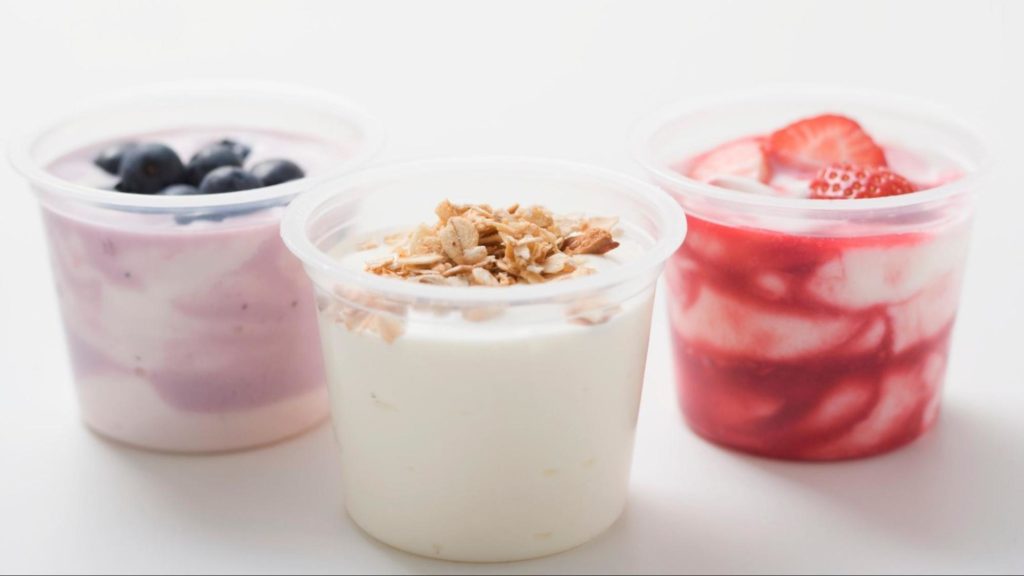
Texture turns kids off? Add spinach to smoothies- no green boost. Sweet tooth? Fruit-first rule: Eat the fruit first. It should be entertaining: Painting yogurt with berries before eating. Track wins: Energy records indicate the absence of crashes.
Long-Term Health Wins
The daily routine of yogurt improves gut health (liever long), immunity (20 per cent of fewer colds) and focus. Families will save 50 dollars every month by abandoning packaged snacks. Internationally versatile: Replace regional food items such as mango in tropics or berries in north.
Yogurt is not snack- it is strategy. Select witty, personalize everyday; have children with energy and joy.