
Living with digestive discomfort, especially from Irritable Bowel Syndrome (IBS), can truly impact daily life. Bloating, cramping, and unpredictable bowel habits aren’t just uncomfortable; they can make every meal and social situation a source of anxiety. Many of us are looking for natural ways to support our gut health and find some relief.
You’re not alone in seeking answers. A healthy gut microbiome, teeming with beneficial bacteria, plays a crucial role in everything from digestion to mood. Sometimes, this delicate balance gets disrupted, leading to the symptoms you know all too well. We believe in nurturing your body with simple and wholesome ingredients, and understanding how different elements contribute to your well-being is part of that journey.
At Oikos Organic, we’re committed to thoughtful nutrition for growing families and children, and that includes exploring how elements like probiotics can support a healthier digestive system. As we’ve detailed in our guide on Gut Health and Probiotics: The Evidence Explained, understanding these tiny microorganisms is a powerful step toward feeling better.
What are probiotics, and how do they support gut health?
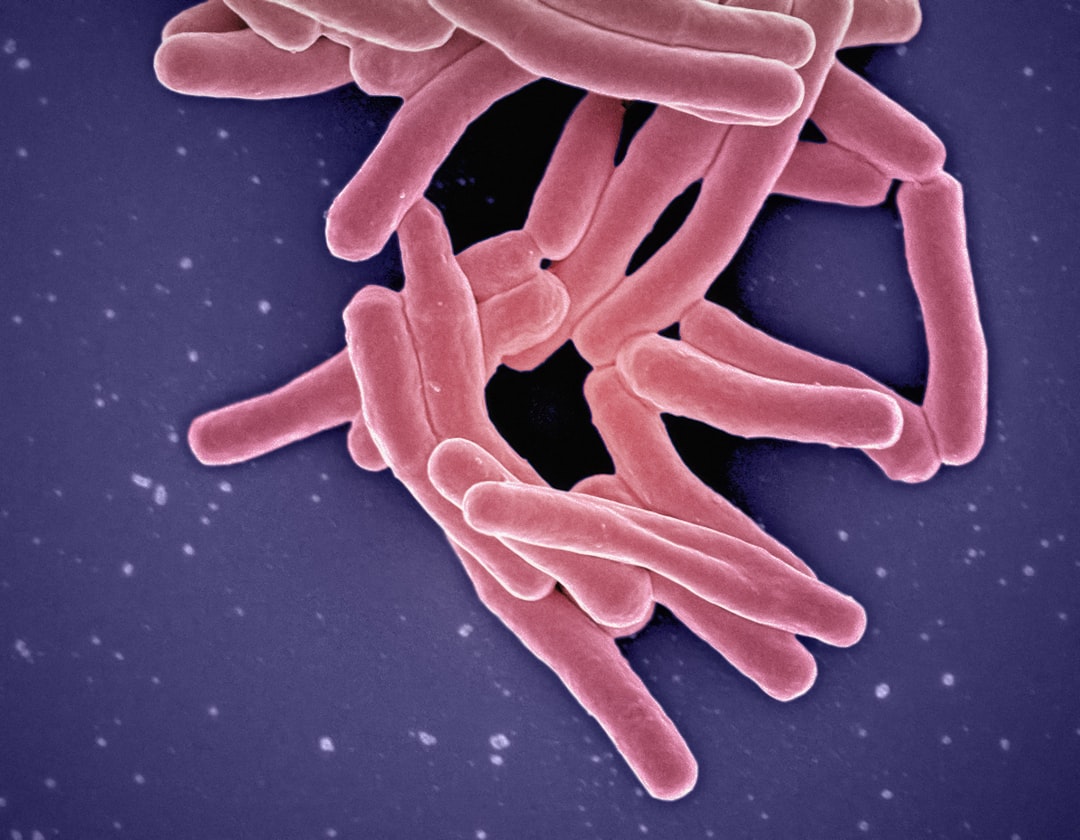
Probiotics are live microorganisms, often beneficial bacteria, that, when administered in adequate amounts, confer a health benefit on the host. They work by introducing or supporting a balanced community of microbes in the gut, which helps with digestion, nutrient absorption, and immune function.
Think of your gut as a complex ecosystem, a bustling city of trillions of bacteria, fungi, and other microbes. This community, known as the gut microbiome, is essential for a healthy body. When the balance of “good” and “bad” bacteria shifts, it can lead to various issues, including digestive upset.
“Probiotics are live microorganisms that, when consumed in adequate amounts, may provide health benefits, particularly for digestive health. These ‘good’ bacteria can help restore the natural balance of gut flora when it’s disrupted, such as by illness or antibiotics.”
When we introduce probiotics, whether through fermented foods like our certified organic yogurt or supplements, we’re essentially sending reinforcements to our gut. These reinforcements can help break down food, produce vitamins, and even influence our immune responses. Many of our Oikos Organic products, for example, contain live cultures, reflecting our detailed knowledge of probiotic strains and their potential benefits.
How do probiotics help with IBS symptoms?
Probiotics can help manage IBS symptoms by improving the balance of gut bacteria, strengthening the gut barrier, and modulating gut sensitivity and inflammation. Specific strains may reduce bloating, gas, abdominal pain, and help regulate bowel movements, whether constipation or diarrhea dominant.
The exact mechanism isn’t always straightforward, as different probiotic strains have different jobs. However, the general idea is that by introducing beneficial bacteria, we can crowd out harmful microbes, produce helpful substances like short-chain fatty acids, and communicate with the gut lining to reduce inflammation and improve its integrity. This is crucial for conditions like IBS, where the gut lining can sometimes be compromised, contributing to discomfort.
Our expertise in live cultures, including strains like Lactobacillus and Bifidobacterium, allows us to understand how these organisms contribute to digestive health. As we explore in our article on Live Cultures in Yogurt: Which Strains Matter Most?, choosing the right strains makes a difference.
What probiotics are good for IBS constipation and bloating?
For IBS-related constipation and bloating, strains such as Bifidobacterium lactis, Lactobacillus plantarum, and a blend containing multiple Bifidobacterium species have shown promise. These probiotics can help soften stools, increase stool frequency, and reduce gas production, thereby easing discomfort.
When you’re dealing with the sluggishness and distension of constipation-dominant IBS (IBS-C), specific strains work to speed up gut transit time. For example, Bifidobacterium lactis DN-173 010 has been studied for its ability to improve bowel regularity. Other research points to the efficacy of various Lactobacillus and Bifidobacterium combinations in reducing overall IBS symptoms, including bloating, as noted by sources like Harvard Health Publishing.
It’s also important to remember that not all probiotics are created equal. The effectiveness often depends on the specific strain, its dosage, and how it’s delivered to the gut. Our knowledge of probiotic survival, as discussed in our post Do Probiotics Survive Stomach Acid? What the Science Says, highlights the importance of how these cultures are protected to reach their destination.
Which probiotics are best for IBS diarrhea?
For IBS-related diarrhea (IBS-D), specific strains like Lactobacillus rhamnosus GG, Saccharomyces boulardii, and certain combinations of Bifidobacterium strains can be beneficial. These probiotics help normalize stool consistency and reduce the frequency of bowel movements by restoring gut balance and strengthening the gut barrier.
IBS-D can be particularly disruptive, with urgent and frequent trips to the bathroom. Probiotics can help here by competing with harmful bacteria, producing antimicrobial compounds, and enhancing the gut’s immune response. Saccharomyces boulardii, a beneficial yeast, is particularly well-regarded for its role in managing various forms of diarrhea, including those associated with IBS.
“For individuals experiencing IBS-D, certain probiotic strains, such as Lactobacillus rhamnosus GG or Saccharomyces boulardii, have been found helpful in reducing diarrhea episodes and improving stool consistency. Always consult a healthcare professional to determine the best strain for your specific symptoms.”
Our commitment to clean ingredients means we focus on quality across all our products, ensuring that any live cultures present are handled with care to maintain their viability. This attention to detail extends to understanding the nuanced benefits of various probiotic strains for different digestive challenges.
What to look for in a probiotic supplement or food?
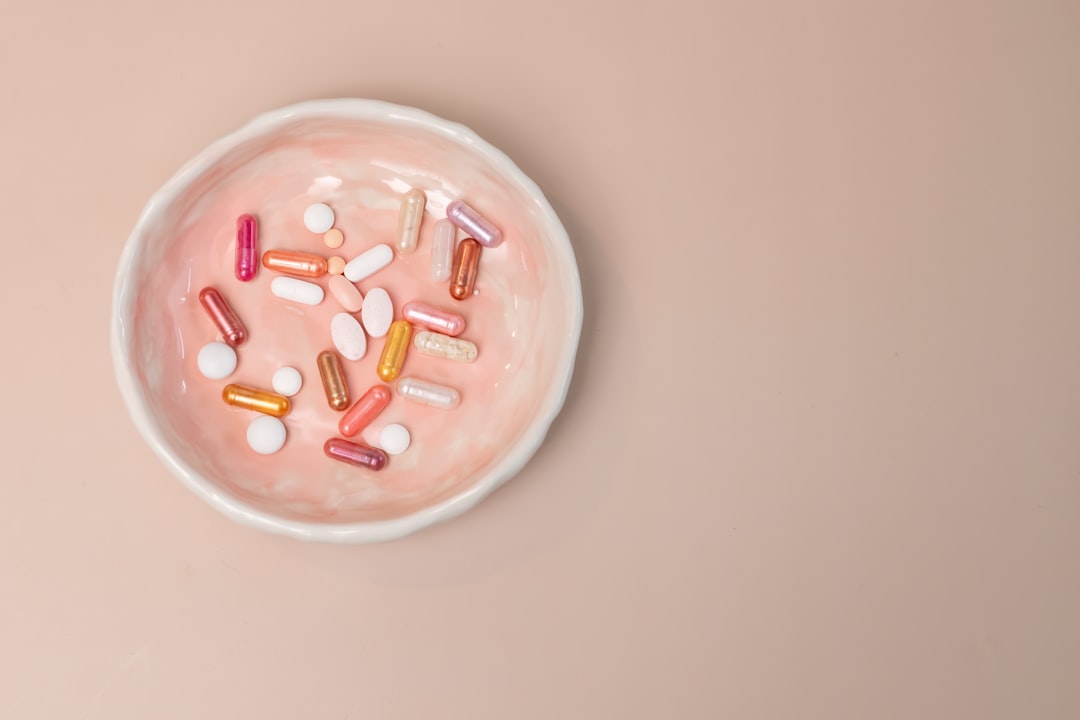
When considering probiotics for IBS, it’s not just about taking any supplement; the specifics truly matter. Here’s what we recommend looking for:
- Specific Strains: Look for products that list specific strains (e.g., Lactobacillus plantarum 299v, Bifidobacterium infantis 35624) rather than just “probiotic blend.” Different strains have different benefits.
- CFU Count: This indicates the number of live and active cultures. A common range for beneficial effects is 1 billion to 10 billion CFUs per serving, though this can vary by strain and condition.
- Quality and Purity: Choose reputable brands. For us, that means certified organic and Non-GMO Project Verified options, ensuring you’re getting simple and wholesome ingredients without unwanted additives. Our dedication to Non-GMO Project Verified: Why It Matters for Family Health ensures we maintain the highest standards.
- Third-Party Testing: Some reputable companies have their products independently tested to verify their contents and purity.
- Proper Storage: Many probiotics need refrigeration to maintain potency, though some are shelf-stable. Check the label carefully.
Nuanced Suitability: Beyond Probiotics
While probiotics offer a promising avenue for many with IBS, they’re not a standalone cure for everyone. It’s important to approach gut health holistically. What works for one person might not work for another because IBS is incredibly individual.
Sometimes, dietary changes are key. Many individuals with IBS find relief through a low-FODMAP diet, which involves temporarily restricting certain fermentable carbohydrates to identify triggers. Stress management techniques like mindfulness, yoga, or meditation can also profoundly impact gut symptoms, as the gut-brain axis is a powerful connection.
We always recommend consulting a healthcare professional before starting any new supplement regimen, especially when dealing with a chronic condition like IBS. They can help diagnose your specific type of IBS, rule out other conditions, and guide you toward the most appropriate treatment plan, which might include probiotics, dietary adjustments, or other therapies. Our goal is to empower you with knowledge, but professional medical advice is irreplaceable.
When is the best time to take probiotics for IBS?
The optimal time to take probiotics for IBS can depend on the specific product and individual tolerance, but generally, taking them with a meal or shortly before is often recommended. Food can help buffer stomach acid, potentially increasing the survival of the beneficial bacteria as they pass through the digestive tract.
Consistency is often more important than the exact timing. Taking your probiotic at the same time each day helps ensure a steady supply of beneficial bacteria to your gut. Some people prefer taking them in the morning with breakfast, while others find evening works best. If you’re using an Oikos Organic yogurt, enjoying it with a meal ensures the live cultures have a great environment to thrive in as they travel through your system.
Pay attention to your body. If you notice any mild digestive upset when you first start taking probiotics, try adjusting the timing or dosage. It’s often a good idea to start with a lower dose and gradually increase it, giving your gut time to adapt.
What to expect from probiotics for gut health
When you begin taking probiotics for IBS, don’t expect immediate, dramatic changes. It’s a journey, not a sprint. Most people report noticing subtle improvements in their symptoms within a few weeks to a few months of consistent use.
You might start to experience less bloating, more regular bowel movements, or a reduction in abdominal discomfort. However, responses vary widely. Some individuals might see significant relief, while others might only experience minor changes. It’s important to be patient and give your body time to adjust and rebalance its gut flora. We’ve seen in our own experience that maintaining consistent habits, whether it’s enjoying nutrient-dense foods or taking a quality supplement, yields the best results over time.
Tracking your symptoms can be helpful. Keep a journal of what you eat, when you take your probiotic, and how you feel. This can help you identify patterns and determine if the probiotic is truly making a difference for you. Remember, a truly healthy gut is built on sustained, thoughtful nutritional choices, and probiotics are one piece of that larger puzzle.
Practical Tips for Supporting Your Gut Health
Incorporating probiotics into your routine is just one part of nurturing a healthy gut. Here are some practical tips we offer health-conscious parents and growing families:
- Eat a Diverse Diet: Focus on a wide variety of plant-based foods, including fruits, vegetables, whole grains, and legumes. These provide fiber, which acts as prebiotics, feeding your beneficial gut bacteria.
- Include Fermented Foods: Beyond supplements, incorporate naturally probiotic-rich foods into your diet. Our certified organic yogurts, with their simple and wholesome ingredients and live cultures, are a delicious way to do this. Other examples include kefir, sauerkraut, kimchi, and tempeh.
- Stay Hydrated: Drinking plenty of water is essential for digestive health, helping to keep things moving smoothly through your system.
- Manage Stress: Chronic stress can negatively impact your gut microbiome. Find healthy ways to manage stress, whether it’s through exercise, meditation, or spending time outdoors.
- Prioritize Sleep: Adequate, quality sleep is crucial for overall health, including gut health. Aim for 7-9 hours per night.
- Limit Ultra-Processed Foods: Foods high in sugar, unhealthy fats, and artificial additives can negatively alter your gut microbiome. Choose whole, real-fruit options whenever possible.
Taking care of your gut is a foundational step toward overall well-being. While probiotics offer a supportive role, especially for those navigating IBS, they work best as part of a lifestyle that prioritizes balanced nutrition, hydration, stress management, and quality sleep. By making thoughtful nutrition choices and listening to your body, you’re taking powerful steps to support your digestive health and enjoy a more comfortable, vibrant life. We’re here to provide delicious, certified organic options that fit right into that healthy family lifestyle.