
As parents, we’re constantly sifting through food labels, trying to make the best choices for our growing families. It’s a journey filled with questions, especially when it comes to added sugars and the mysterious world of artificial sweeteners in the foods our children love. We all want to provide snacks that are both tasty and truly good for them, without hidden ingredients that might cause concern.
The desire for healthier options has led many families to turn to yogurt, a food often praised for its probiotics and calcium. But not all yogurts are created equal. Many varieties, particularly those marketed to children, can contain ingredients that health-conscious parents prefer to avoid. This quest for honest nutrition is at the heart of what we do at Oikos Organic.
At Oikos Organic, we believe in simple and wholesome ingredients, making choices easier for you. We’re committed to providing certified organic products with real fruit, free from the artificial additives that often complicate snack time. Understanding what’s in your food, especially concerning artificial sweeteners, is a powerful step toward thoughtful nutrition for your family. If you’re looking to understand more about our commitment to clean food, exploring what is organic is a great place to start.
What Are Artificial Sweeteners, Anyway?
Artificial sweeteners, also known as non-nutritive sweeteners or sugar substitutes, are synthetic compounds that provide a sweet taste without the calories of sugar. They’re much sweeter than sugar, so only tiny amounts are needed. These sweeteners are often used in “sugar-free” or “diet” products to reduce calorie content while maintaining sweetness.
Common artificial sweeteners you might see on food labels include aspartame, sucralose (Splenda), saccharin, acesulfame potassium (Ace-K), and neotame. While approved by regulatory bodies like the FDA for general use, their long-term effects, especially on developing bodies, continue to be a subject of ongoing research and discussion among health professionals. We often hear from parents concerned about these ingredients, and we understand why. Our commitment to transparent, responsible sourcing means we focus on real fruit and natural sweetness.
Are there artificial sweeteners in yogurt?
Yes, many yogurt brands, especially those labeled “light,” “diet,” or specifically formulated for children, often contain artificial sweeteners. These are added to reduce sugar content while keeping the product sweet and appealing. Always check the ingredient list for names like aspartame, sucralose, or acesulfame potassium to be sure.
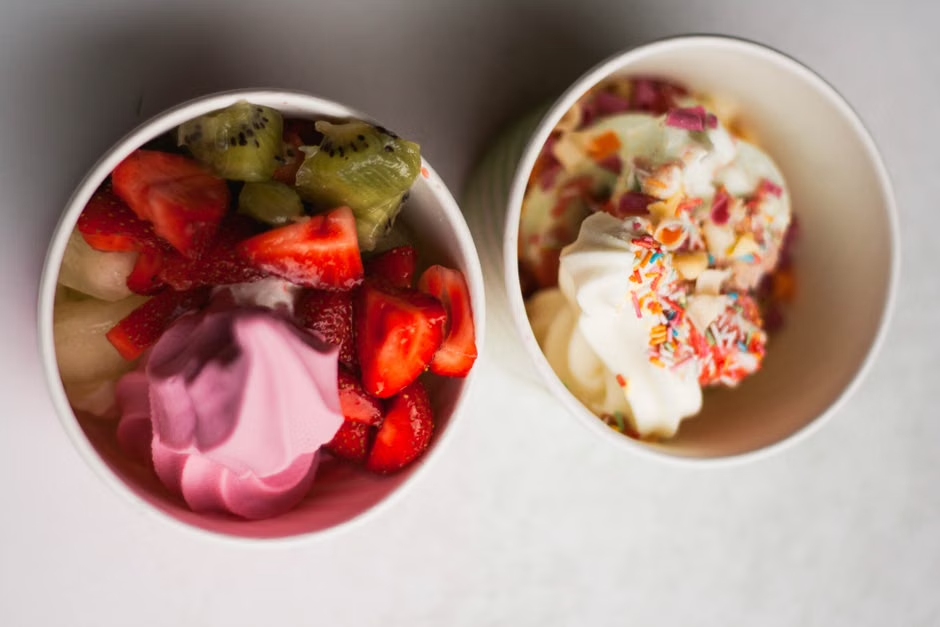
It’s surprising how often these substitutes appear in products we might assume are healthy. While some brands focus on natural sugars or fruit for sweetness, many opt for artificial alternatives to lower the calorie count. This is particularly true for items like frozen yogurt, where the expectation of sweetness is high, but the desire for lower calories often leads manufacturers to these substitutes. As parents, we’re helping our community learn to select well to win every day, especially when it comes to reading those labels.
Why are artificial sweeteners not recommended for children?
Artificial sweeteners aren’t generally recommended for children due to potential impacts on taste preferences, gut health, and metabolic function, as research is still evolving. Early exposure can lead children to prefer overly sweet foods and may disrupt the balance of gut bacteria, which is crucial for overall health.
The science behind artificial sweeteners and children is complex and still developing. Some studies suggest a link between frequent consumption and changes in the gut microbiome, which plays a vital role in digestion, immunity, and even mood. A review published by the National Institutes of Health (NIH) discusses the potential effects of artificial sweeteners on gut microbiota. These changes could potentially affect nutrient absorption and overall digestive health in the long run. We believe in nurturing healthy development from the start, which is why we choose not to include these in our products.
“The impact of artificial sweeteners on children’s health is a growing area of research. While they are often promoted as a ‘healthier’ alternative to sugar for weight management, concerns have been raised regarding their potential effects on taste perception, gut microbiota, and metabolic responses, particularly during critical periods of growth and development.”
Are artificial sweeteners safe for toddlers?
Regulatory bodies generally consider artificial sweeteners safe in moderation, but for toddlers and young children, pediatricians often advise caution. Their developing bodies are more sensitive, and the long-term effects of these substances on growth, metabolism, and behavior are not fully understood. It’s often best to prioritize whole, unsweetened foods.
For little ones, building a foundation of healthy eating habits is key. Exposing toddlers to intensely sweet flavors, even from artificial sources, can shape their taste preferences towards overly sweet foods, making it harder for them to appreciate the natural sweetness of fruits and vegetables. Instead, we advocate for sweetening with real fruit or simply choosing plain options. Our Greek yogurt, for instance, offers a naturally tangy base that can be customized with fresh berries or a touch of maple syrup, providing all the benefits of Greek yogurt without unwanted additives.
How does aspartame affect kids?
Aspartame, a common artificial sweetener, is generally recognized as safe by the FDA for the general population. However, for children, some studies and anecdotal reports suggest potential links to headaches, dizziness, and behavioral changes, though comprehensive research is ongoing. Pediatricians often recommend minimizing its intake in young children.
While the scientific consensus is that aspartame is safe at typical consumption levels, we know parents worry about its effects on sensitive systems. Concerns often arise regarding its breakdown products, like phenylalanine, which can be an issue for children with phenylketonuria (PKU). For children without PKU, the primary concern remains the broader impact on taste development and overall dietary patterns. We believe that when it comes to our kids, less is often more, especially with ingredients we’re still learning about.
What to Look For: Identifying Artificial Sweeteners in Yogurt
Reading ingredient labels is your best tool for identifying artificial sweeteners. Manufacturers must list all ingredients, and these sweeteners often appear near the end of the list due to their intense sweetness requiring small quantities. Here’s what to look for:
- Aspartame: Sometimes listed as NutraSweet or Equal.
- Sucralose: Often found as Splenda.
- Saccharin: Also known as Sweet’n Low.
- Acesulfame potassium (Ace-K): Can be listed as Sunett or Sweet One.
- Neotame
- Advantame
- Sugar Alcohols: While not artificial sweeteners, ingredients like erythritol, xylitol, sorbitol, and maltitol can also be present and may cause digestive upset in some children if consumed in large amounts.
Our commitment to clean ingredients means you won’t find these on our labels. We prioritize real fruit and honest nutrition, ensuring responsible sourcing for every cup of yogurt.
Choosing Thoughtful Nutrition: Alternatives and Exceptions
When it comes to sweetening yogurt for children, there are many natural, wholesome alternatives that provide both flavor and nutrients. We always recommend focusing on real fruit first. Berries, bananas, and peaches offer natural sweetness along with vitamins, fiber, and antioxidants.
For those times you want a little more sweetness, a drizzle of maple syrup, a touch of honey (for children over one year old), or a small amount of fruit puree can be wonderful options. These provide a more balanced flavor profile and come with their own nutritional benefits, unlike artificial sweeteners. Sometimes, the best “alternative” is simply embracing the natural tang of plain yogurt. Many children learn to love it, especially when paired with their favorite fruit.
It’s also important to remember that organic choices often prioritize these cleaner approaches. Certified organic products generally adhere to stricter guidelines regarding synthetic additives. At Oikos Organic, our entire approach is built around this principle, using organic milk and real fruit to create products that growing families and children can enjoy with confidence. We offer a variety of options, including plain and lightly sweetened varieties, designed to support a balanced diet without compromising on taste or quality. To learn more about our philosophy and products, visit our home page.

What to Expect When You Choose Sweetener-Free Options
Transitioning to yogurts free of artificial sweeteners might take a little adjustment for some palates, but the benefits for your child’s long-term health are worth it. You can expect your child’s taste buds to become more attuned to natural flavors, reducing their craving for intensely sweet foods over time. This isn’t an overnight change; it’s a gradual process, often taking a few weeks of consistent choice.
We’ve seen in our practice that kids who regularly consume clean ingredients often show a greater appreciation for whole foods. You might notice improved digestion as their gut microbiome thrives without synthetic additives. Most importantly, you’ll have the peace of mind knowing you’re providing thoughtful nutrition, supporting healthy development with guaranteed quality and simple, wholesome ingredients.
Practical Tips for Parents
Making informed choices about sweeteners in yogurt doesn’t have to be overwhelming. Here are some practical tips we offer to help you navigate the grocery aisles:
- Always Read Labels: Get into the habit of checking the ingredient list, not just the front-of-package claims. Look for phrases like “no artificial flavors” and avoid the artificial sweetener names we listed above.
- Choose Plain Yogurt: Starting with plain, certified organic whole milk yogurt allows you to control the sweetness entirely. You can add your own fresh fruit, a sprinkle of cinnamon, or a tiny bit of maple syrup.
- Sweeten Naturally: Use mashed bananas, berries, applesauce, or other fruit purees to add sweetness. This also boosts nutrient intake.
- Introduce Gradually: If your child is used to very sweet yogurts, gradually reduce the added sweetness over time. Mix plain yogurt with their usual flavored yogurt, slowly increasing the plain portion.
- Be a Role Model: Kids often mimic what they see. Choose and enjoy naturally sweetened foods yourself, demonstrating healthy eating habits.
- Explore Organic Options: Products like Oikos Organic are committed to real fruit and clean ingredients, making your search for healthier options much simpler. We pride ourselves on transparent, honest nutrition for growing families.
Choosing yogurt without artificial sweeteners is a step toward thoughtful nutrition, supporting your child’s developing palate and overall health. It’s about empowering them to appreciate the natural goodness of food and fostering healthy habits that last a lifetime. By focusing on simple and wholesome ingredients, we can ensure our children get the best start, enjoying delicious snacks that genuinely nourish their bodies and minds.